Chitika1

Thursday, 14 June 2018

CALORIE VALUE OF FOOD ITEMS (Figures given in this chart are based on 100 gm portions

 
CALORIE VALUE OF FOOD ITEMS
 (Figures given in this chart are based on 100 gm portions) 
Food CaloriesProtein (gms) Fat (gms)Carbohydrate(gms)Water (gms)Vitamins
Milk653.3 4 5 87
A, B
2
, Niacin
Butter 740- 82 - 15
A
Cream2102 21 3 72
A
Cheese31022 25 - 44
A, B
2
, Niacin
Ice Cream1704 7 25 64
B
1
, B
2
, Niacin
Margarine740- 81 - 16
A
Eggs15012 11 - 75
A, B
1
, B
2
, Niacin
Pork (Grilled)34029 24 - 36
B
2
, Niacin
Chicken (Roast)15025 5 - 55Fish (eg. Cod)22020 10 8 60
B
1
,Niacin
Beans (Boiled)202 - 3 90
A
Cabbage (Boiled)101 - 1 96
A, C
Carrot (Boiled)200.6 - 4 91
A
Cauliflower (Boiled)101.5 - 1 93
C
Cucumber (Raw)100.6 - 2 96
C
Peas (Boiled)505 - 8 80
A, B
1
, B
2
, Niacin, C
Potatoes (Boiled)801 - 22 77
B
1
 
Tomatoes151 - 3 93
A, C
 Apples450.3 - 12 84
-
Bananas801 - 20 70
C
Cherries500.6 - 12 81
-
Grapes600.6 - 15 80
C
Oranges351 - 9 86
C, A
Pea Nuts (Roasted)57024 49 9 4
B
1
, B
2
, Niacin
Beer 300.3 - 2 -
-
Wine70- - - -
-
Spirits220- - - -
-
Coffe (Black)-- - - -
Niacin
Bread2308 2 50 39
B
1
, Nia
Rice (White Boiled)1202 - 30 70
-
Cornflakes with milk2056.5 4 34.7 -
A
1
, B
1
, B
2
, Niacin, B
Chocolate Biscuits5206 28 67 2
B
2
, Niacin
Wheat Bran20014 6 23 8
B
1
, B
2
, Niacin

An Indian weight loss diet chart for non-vegetarians

An Indian weight loss diet chart for non-vegetarians

Early morning (as soon as you wake up) – Detox your body with stomach cleanser like lemon water with honey, amla juice, aloe Vera juice etc.
E.g. have glass of lukewarm water, add tsp. of lemon extract and half tsp. of honey to it.
Breakfast (within half an hour of waking up) – source of high fiber cereal like, oats, wheat flour, bajra, wheat flakes with high protein source like milk and milk product or egg  along with one fruit.
For e.g. 2 slices of multi grain bread/ one roti with two boiled egg white cooked with spinach.
Mid-morning (Three hours after breakfast) – one fruit or cucumber with peel
Lunch (around 1-2 pm) – start your lunch with a bowl of salad + one roti with bowl of vegetables + half bowl of rice + bowl of dal
Post lunch (one hour after lunch) – glass of buttermilk + one fruit
Evening snack (Three hours post lunch) – cup of green tea + popcorn, one small bowl
Dinner (2-3 hours post evening snacks) – bowl of soup or bowl of salad 2 + one roti with grilled chicken+ bowl of vegetable
Post dinner (half – 0ne hour before going to bed) – one fruit (preferably papaya)

Sunday, 24 December 2017

minimum and maximum levels in human body


Sugar Level in Human Body (fasting)
  • Normal: 4.0 to 5.9 mmol/l (70 to 107 mg/dl)
  • Prediabetes: 6.0 to 6.9 mmol/l (108 to 126 mg/dl)
  • Diagnosis of diabetes: more than 6.9 mmol/l (126 mg/dl)
  • Fasting blood sugar level must be less than 100 mg/dL.
    Post-prandial blood sugar level must be less than 140 mg/dL.
  •              Hemoglobin Levels
    • Newborns: 17 to 22 gm/dL
    • One (1) week of age: 15 to 20 gm/dL
    • One (1) month of age: 11 to 15 gm/dL
    • Children: 11 to 13 gm/dL
    • Adult males: 14 to 18 gm/dL
    • Adult women: 12 to 16 gm/dL
    • Men after middle age: 12.4 to 14.9 gm/dL
    • Women after middle age: 11.7 to 13.8 gm/dL
    • BLOOD TEST REFERENCE RANGE CHART

      Test
      Reference Range (conventional units*)
      17 Hydroxyprogesterone (Men)0.06-3.0 mg/L
      17 Hydroxyprogesterone (Women) Follicular phase0.2-1.0 mg/L
      25-hydroxyvitamin D (25(OH)D)8-80 ng/mL
      Acetoacetate<3 mg/dL
      Acidity (pH)7.35 - 7.45
      Alcohol0 mg/dL (more than 0.1 mg/dL normally indicates intoxication) (ethanol)
      Ammonia15 - 50 µg of nitrogen/dL
      Amylase53 - 123 units/L
      Ascorbic Acid0.4 - 1.5 mg/dL
      Bicarbonate18 - 23 mEq/L (carbon dioxide content)
      BilirubinDirect: up to 0.4 mg/dL
      Total: up to 1.0 mg/dL
      Blood Volume8.5 - 9.1% of total body weight
      Calcium8.2 - 10.6 mg/dL (normally slightly higher in children)
      Carbon Dioxide Pressure35 - 45 mm Hg
      Carbon MonoxideLess than 5% of total hemoglobin
      CD4 Cell Count500 - 1500 cells/µL
      Ceruloplasmin15 - 60 mg/dL
      Chloride98 - 106 mEq/L
      Complete Blood Cell Count (CBC)Tests include: hemoglobin, hematocrit, mean corpuscular hemoglobin, mean corpuscular hemoglobin concentration, mean corpuscular volume, platelet count, white Blood cell count
      Please click each to view an individual test value.
      CopperTotal: 70 - 150 µg/dL
      Creatine Kinase (CK or CPK)Male: 38 - 174 units/L
      Female: 96 - 140 units/L 
      Creatine Kinase Isoenzymes5% MB or less
      Creatinine0.6 - 1.2 mg/dL
      ElectrolytesTest includes: calcium, chloride, magnesium, potassium, sodium
      Please click each to view an individual test value.
      Erythrocyte Sedimentation Rate (ESR or Sed-Rate)Male: 1 - 13 mm/hr
      Female: 1 - 20 mm/hr
      GlucoseTested after fasting: 70 - 110 mg/dL
      HematocritMale: 45 - 62%
      Female: 37 - 48%
      HemoglobinMale: 13 - 18 gm/dL
      Female: 12 - 16 gm/dL
      Iron60 - 160 µg/dL (normally higher in males)
      Iron-binding Capacity250 - 460 µg/dL
      Lactate (lactic acid)Venous: 4.5 - 19.8 mg/dL
      Arterial: 4.5 - 14.4 mg/dL
      Lactic Dehydrogenase50 - 150 units/L
      Lead40 µg/dL or less (normally much lower in children)
      Lipase10 - 150 units/L
      Zinc   B-Zn70 - 102 µmol/L
      Lipids:
         CholesterolLess than 225 mg/dL (for age 40-49 yr; increases with age)
         Triglycerides10 - 29 years  53 - 104 mg/dL
      30 - 39 years  55 - 115 mg/dL
      40 - 49 years  66 - 139 mg/dL
      50 - 59 years  75 - 163 mg/dL
      60 - 69 years  78 - 158 mg/dL
         >  70 years  83 - 141 mg/dL
      Liver Function TestsTests include bilirubin (total), phosphatase (alkaline), protein (total and albumin), transaminases (alanine and aspartate), prothrombin (PTT)
      Please click each to view an individual test value.
      Magnesium1.9 - 2.7 mEq/L
      Mean Corpuscular Hemoglobin (MCH)27 - 32 pg/cell
      Mean Corpuscular HemoglobinConcentration (MCHC)32 - 36% hemoglobin/cell
      Mean Corpuscular Volume(MCV)76 - 100 cu µm
      Osmolality280 - 296 mOsm/kg water
      Oxygen Pressure83 - 100 mm Hg
      Oxygen Saturation (arterial)96 - 100%
      Phosphatase, Prostatic0 - 3 units/dL (Bodansky units) (acid)
      Phosphatase50 - 160 units/L (normally higher in infants and adolescents) (alkaline)
      Phosphorus3.0 - 4.5 mg/dL (inorganic)
      Platelet Count150,000 - 350,000/mL
      Potassium3.5 - 5.4 mEq/L
      Prostate-Specific Antigen (PSA)0 - 4 ng/mL (likely higher with age)
      Proteins:
         Total6.0 - 8.4 gm/dL
         Albumin3.5 - 5.0 gm/dL
         Globulin2.3 - 3.5 gm/dL
      Prothrombin (PTT)25 - 41 sec
      Pyruvic Acid0.3 - 0.9 mg/dL
      Red Blood Cell Count (RBC)4.2 - 6.9 million/µL/cu mm
      Sodium133 - 146 mEq/L
      Thyroid-Stimulating Hormone (TSH)0.5 - 6.0 µ units/mL
      Transaminase:
         Alanine (ALT)1 - 21 units/L
         Aspartate (AST)7 - 27 units/L
      Urea Nitrogen (BUN)7 - 18 mg/dL
      BUN/Creatinine Ratio5 - 35
      Uric AcidMale   2.1 to 8.5 mg/dL (likely higher with age)
      Female   2.0 to 7.0 mg/dL (likely higher with age)
      Vitamin A30 - 65 µg/dL
      WBC (leukocyte count and white Blood cell count)4.3-10.8 × 10³/mm3
      White Blood Cell Count (WBC)4,300 - 10,800 cells/µL/cu mm
      *Please visit our measurement and abbreviation pages.
      clear.gif (807 bytes)
      Link - BloodBook.com Blood Test Kits Link - BloodBook.com
      Link - BloodBook.com View "What Does My Blood Test Mean Pages?" Link - BloodBook.com

      There is more about Blood, indexed by category, Please CLICK HERE.

      BODY SURFACE AREA CALCULATOR
      (weight (kg) x 0.425) x (height (cm) x 0.725)
      139.315


      IDEAL BODY WEIGHT CALCULATOR
           Male: 50 Kg + (# inches > 5 ft x 2.3)
           Female: 45.5 Kg + (# inches > 5 ft x 2.3)


Thursday, 26 October 2017

Annoying Aches and Pains and How to Fix Them

Sprains and Strains

People who play sports or are physically active are familiar with stretched or torn ligaments, muscles, and tendons. Both cause swelling and inflammation. Sprains can give you bruises. Strains may trigger muscle spasms. Use RICE for early treatment -- rest, ice, compression, and elevation. Take an over-the-counter (OTC) pain reliever. See a doctor if it's numb or tingles, you can’t move a joint, or it doesn't get better within a week.

Tension Headache

This common type of headache feels like a band is squeezing your head. OTC painkillers, rest, and drinking water will often do the trick. Your headache should go away within hours, but it could last a couple of days. Plenty of rest, proper posture, less stress, and lots of fluids (without caffeine) may help you avoid one.

Migraine

Throbbing pain in the front or side of your head can put a hold on your daily activities. You might feel sick to your stomach, be sensitive to light, or have other symptoms. Find somewhere dark and quiet to rest. An ice pack may numb pain; a heating pad can relax tense muscles. An OTC pain reliever with a bit of caffeine may help if you catch a migraine early. Some people need a prescription to treat or prevent them.

Arthritis

The leading cause of disability in America is a group of more than 100 diseases that cause joint pain. Symptoms, which may come and go, often include swelling, pain, stiffness, and limited motion. They could be the result of wear and tear or of inflammation triggered by your immune system. Arthritis usually can't be cured, but you can often ease pain and manage the condition with your doctor's help.

Sprains and Strains

People who play sports or are physically active are familiar with stretched or torn ligaments, muscles, and tendons. Both cause swelling and inflammation. Sprains can give you bruises. Strains may trigger muscle spasms. Use RICE for early treatment -- rest, ice, compression, and elevation. Take an over-the-counter (OTC) pain reliever. See a doctor if it's numb or tingles, you can’t move a joint, or it doesn't get better within a week.
pain reliever with water
10/15

Tension Headache

This common type of headache feels like a band is squeezing your head. OTC painkillers, rest, and drinking water will often do the trick. Your headache should go away within hours, but it could last a couple of days. Plenty of rest, proper posture, less stress, and lots of fluids (without caffeine) may help you avoid one.
woman lying down
10/15

Migraine

Throbbing pain in the front or side of your head can put a hold on your daily activities. You might feel sick to your stomach, be sensitive to light, or have other symptoms. Find somewhere dark and quiet to rest. An ice pack may numb pain; a heating pad can relax tense muscles. An OTC pain reliever with a bit of caffeine may help if you catch a migraine early. Some people need a prescription to treat or prevent them.
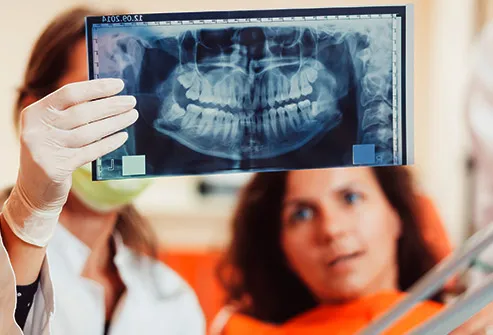
woman at dentist
10/15

Toothache

Tooth decay, cracked teeth, broken fillings, and gum disease are likely causes. You might not be a fan of the dentist, but if your toothache lasts more than a couple of days, you should go. If you don't take care of it, an inflamed area could become infected, leading to bigger problems. Tooth pain can also signal a sinus infection, a problem with the joint where your jaw meets your skull (TMJ), or grinding your teeth at night.
man sitting with good posture
10/15

Neck Pain

Your neck is less protected than the rest of your spine, so it's vulnerable to sprains and strains. Those pains are usually temporary, and often, you won't need a doctor. Regular wear and tear, such as the disks breaking down, can also hurt. Good posture helps prevent pain. You might feel more serious neck injuries in other parts of your body, such as the upper back, arms, and legs, too.
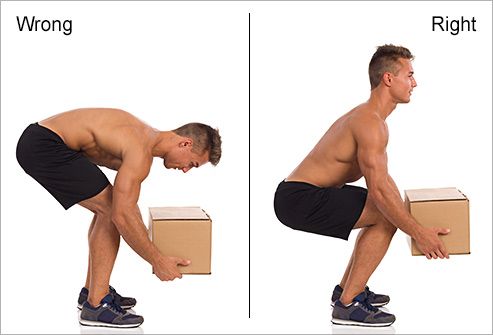
correct posture for lifting
10/15

Back Pain

As you age, it becomes more common. Back pain can be dull or sharp and last months at a time. Being overweight and lifting something the wrong way can cause it. Diseases including arthritis and cancer can affect your back and spine, and your genes can play a role, too. Treatments for most types of back pain include OTC medications and muscle relaxants, hot and cold packs, and exercise.
woman in physical therapy
10/15

Frozen Shoulder

The pain is usually worse at night, when you lie on that side. Simple, everyday tasks can be hard to do. Your shoulder becomes stiff to the point where you can’t move it. Exercises and physical therapy can improve your range of motion. Untreated, it could take 2-3 years to "thaw." It mostly happens to people between 40 and 60. Women and people with diabetes are more likely to have this problem.
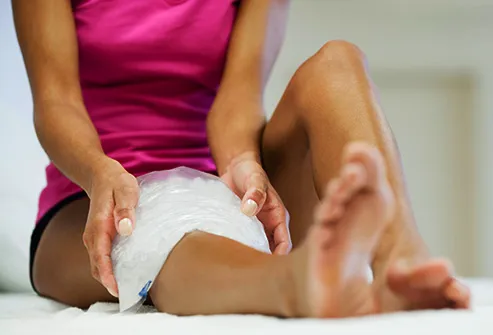
woman icing knee
10/15

Tendinitis and Bursitis

These are swelling around a muscle or bone, usually brought on by the overuse or injury of a joint, like your ankle, elbow, knee, hip, shoulder, or wrist. Treat these with RICE, too. Call your doctor if the pain and swelling are bad, get worse, or if there's any redness.
woman with doctor

Arthritis

The leading cause of disability in America is a group of more than 100 diseases that cause joint pain. Symptoms, which may come and go, often include swelling, pain, stiffness, and limited motion. They could be the result of wear and tear or of inflammation triggered by your immune system. Arthritis usually can't be cured, but you can often ease pain and manage the condition with your doctor's help.
woman with antacid
10/15

Stomachache

It could be for a number of reasons, including indigestion, gas, and constipation, but generally it won't last for more than a few hours and isn't serious. OTC medicines may help a tummy ache or upset stomach feel better until it passes. Call your doctor if the pain is sudden and severe, lasts for days, or if you're vomiting blood, have bloody stool, or notice any other unusual symptoms.

Sciatica

This shooting pain can make either sitting or standing uncomfortable. You might feel weak, numb, and a burning or tingling in your leg, but it's not a cramp. It's a pinched nerve or slipped disk in your lower back. Sneezing and coughing can sharpen the pain. Sciatica usually goes away in a few weeks with rest and gentle exercise, but you should see your doctor. Most people who get it are between 30 and 50

Nerve Pain

Tingling, burning, numbness, and weakness can all signal a problem with your nerves. People with uncontrolled diabetes tend to get nerve damage in their feet, hands, arms, and legs. Shingles, a painful rash caused by the chickenpox virus traveling down nerves, can lead to ongoing pain. When your organs are affected, you could have trouble with digestion or peeing. Medications, physical therapy, and eating well can help.

Carpal Tunnel Syndrome

There's little evidence that keyboard overuse is at fault for one of the leading nerve disorders. Pecking at the computer could make the tingling and numbness in your fingers worse though, if you already have a pinched nerve. Rest first; avoid bending or twisting your wrist for a couple of weeks. Then try yoga or physical therapy. Sometimes medicines that reduce swelling can ease symptoms.

Sore, Swollen Feet

Rest and put your feet up! Ice them for 15-20 minutes at a time. If you must stand on a hard surface all day, try compression stockings, wear shoes with good support, and take breaks off your feet when you can. Women and people who have flat feet or high arches are more prone to plantar fasciitis, which makes the bottom of your heel hurt. Stretching is good for that.
Call your doctor when the pain is bad or if you don't know why your feet ache.

Your Shoulder

It’s not just a simple joint -- it’s a complex structure of muscles and tendons (which hold your muscles to your bones). It lets you scratch your back, drive your car, or get something off a shelf. But all those moving parts mean things can go wrong, which is why so many people have shoulder problems at some point. 
source:webmd

Thursday, 5 October 2017

VEGETARIAN DIET Vs NON VEGETARIAN DIET WHICH IS BETTER

There has been an intense debate, which is in the loop for years and has been raging back and forth regarding the deficiencies of a vegetarian diet versus the perils of a non-vegetarian one. This heated debate is both accurate as well as unfounded. Probably, that’s the entire reason it is still a debate. In fact, if you look into the diet of both groups, you will be able to identify the fact that, there is a space for healthy living in both.
Vegetarian Diet
In a vegetarian diet, the food intake of a person is confined to a large variety of foods derived from plants along with milk and dairy. And, any form of meat and products derived from animals are completely avoided.

Pros
  • Vegetarians have been noted to consume lesser amount of proteins, but they do not suffer from problems related to a high protein diet, such as osteoporosis (characterized by brittle and weak bones) and kidney failure.
  • The diet includes high level of antioxidants such as vitamin E & C as well as carotene, which is available in vegetables and fruits.
  • Additionally, they consume less amount of saturated fats.
Cons
  • Deficiency of vitamin B12 is common amongst vegetarians, as it is mainly available in meat, eggs and fish. Deficiency of vitamin B12 can yield rare symptoms such as increased fatigue, shortness of breath and a temporary loss of body balance.
  • Lack of protein, as stated above, along with iron and zinc deficiency is also common. 
Symptoms of protein deficiency can be troublesome and include signs like
  1. Sluggish metabolism
  2. Loss of body muscles (as the body tries to derive the regular protein intake from your muscles, thus making them weak),
  3. Trouble gaining or losing weight
  4. Persistent fatigue
  5. Longer healing time in case of wounds and injuries
  6. Pain in joints
  7. Drastic changes in blood sugar level that might result in diabetes
  8. A weak immune system makes you vulnerable to all kinds of diseases.
Non-vegetarian Diet
A non-vegetarian diet includes all forms of plant foods as well as foods and by-products that are derived from animals, such as poultry, fish, meat, etc.
Pros 
  • Vitamin B12 is present in adequate level since they are derived from sources such as meat, eggs and fish. Adequate intake of proteins is never an issue for  non-vegetarians
Cons
  1. Meat products are loaded with saturated fats, which increase the risk of heart diseases. Studies have shown that people consuming non-vegetarian diets:
    • Have shorter lifespan and are more vulnerable to chronic diseases.
    • Tend to develop diabetes, heart diseases and hypertension.
  2. Usually non vegetarians eat less amount of vegetables and fruits than what is recommended.  

Source: Lybrate.com