Chitika1

Thursday, 26 October 2017

Annoying Aches and Pains and How to Fix Them

Sprains and Strains

People who play sports or are physically active are familiar with stretched or torn ligaments, muscles, and tendons. Both cause swelling and inflammation. Sprains can give you bruises. Strains may trigger muscle spasms. Use RICE for early treatment -- rest, ice, compression, and elevation. Take an over-the-counter (OTC) pain reliever. See a doctor if it's numb or tingles, you can’t move a joint, or it doesn't get better within a week.

Tension Headache

This common type of headache feels like a band is squeezing your head. OTC painkillers, rest, and drinking water will often do the trick. Your headache should go away within hours, but it could last a couple of days. Plenty of rest, proper posture, less stress, and lots of fluids (without caffeine) may help you avoid one.

Migraine

Throbbing pain in the front or side of your head can put a hold on your daily activities. You might feel sick to your stomach, be sensitive to light, or have other symptoms. Find somewhere dark and quiet to rest. An ice pack may numb pain; a heating pad can relax tense muscles. An OTC pain reliever with a bit of caffeine may help if you catch a migraine early. Some people need a prescription to treat or prevent them.

Arthritis

The leading cause of disability in America is a group of more than 100 diseases that cause joint pain. Symptoms, which may come and go, often include swelling, pain, stiffness, and limited motion. They could be the result of wear and tear or of inflammation triggered by your immune system. Arthritis usually can't be cured, but you can often ease pain and manage the condition with your doctor's help.

Sprains and Strains

People who play sports or are physically active are familiar with stretched or torn ligaments, muscles, and tendons. Both cause swelling and inflammation. Sprains can give you bruises. Strains may trigger muscle spasms. Use RICE for early treatment -- rest, ice, compression, and elevation. Take an over-the-counter (OTC) pain reliever. See a doctor if it's numb or tingles, you can’t move a joint, or it doesn't get better within a week.
pain reliever with water
10/15

Tension Headache

This common type of headache feels like a band is squeezing your head. OTC painkillers, rest, and drinking water will often do the trick. Your headache should go away within hours, but it could last a couple of days. Plenty of rest, proper posture, less stress, and lots of fluids (without caffeine) may help you avoid one.
woman lying down
10/15

Migraine

Throbbing pain in the front or side of your head can put a hold on your daily activities. You might feel sick to your stomach, be sensitive to light, or have other symptoms. Find somewhere dark and quiet to rest. An ice pack may numb pain; a heating pad can relax tense muscles. An OTC pain reliever with a bit of caffeine may help if you catch a migraine early. Some people need a prescription to treat or prevent them.
woman at dentist
10/15

Toothache

Tooth decay, cracked teeth, broken fillings, and gum disease are likely causes. You might not be a fan of the dentist, but if your toothache lasts more than a couple of days, you should go. If you don't take care of it, an inflamed area could become infected, leading to bigger problems. Tooth pain can also signal a sinus infection, a problem with the joint where your jaw meets your skull (TMJ), or grinding your teeth at night.
man sitting with good posture
10/15

Neck Pain

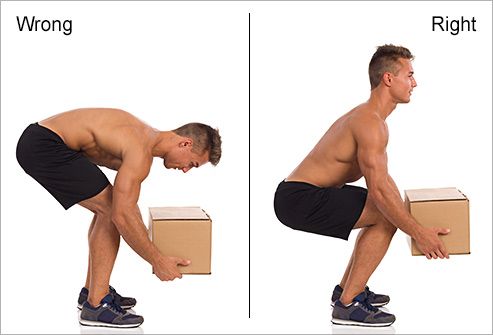
Your neck is less protected than the rest of your spine, so it's vulnerable to sprains and strains. Those pains are usually temporary, and often, you won't need a doctor. Regular wear and tear, such as the disks breaking down, can also hurt. Good posture helps prevent pain. You might feel more serious neck injuries in other parts of your body, such as the upper back, arms, and legs, too.
correct posture for lifting
10/15

Back Pain

As you age, it becomes more common. Back pain can be dull or sharp and last months at a time. Being overweight and lifting something the wrong way can cause it. Diseases including arthritis and cancer can affect your back and spine, and your genes can play a role, too. Treatments for most types of back pain include OTC medications and muscle relaxants, hot and cold packs, and exercise.
woman in physical therapy
10/15

Frozen Shoulder

The pain is usually worse at night, when you lie on that side. Simple, everyday tasks can be hard to do. Your shoulder becomes stiff to the point where you can’t move it. Exercises and physical therapy can improve your range of motion. Untreated, it could take 2-3 years to "thaw." It mostly happens to people between 40 and 60. Women and people with diabetes are more likely to have this problem.
woman icing knee
10/15

Tendinitis and Bursitis

These are swelling around a muscle or bone, usually brought on by the overuse or injury of a joint, like your ankle, elbow, knee, hip, shoulder, or wrist. Treat these with RICE, too. Call your doctor if the pain and swelling are bad, get worse, or if there's any redness.
woman with doctor

Arthritis

The leading cause of disability in America is a group of more than 100 diseases that cause joint pain. Symptoms, which may come and go, often include swelling, pain, stiffness, and limited motion. They could be the result of wear and tear or of inflammation triggered by your immune system. Arthritis usually can't be cured, but you can often ease pain and manage the condition with your doctor's help.
woman with antacid
10/15

Stomachache

It could be for a number of reasons, including indigestion, gas, and constipation, but generally it won't last for more than a few hours and isn't serious. OTC medicines may help a tummy ache or upset stomach feel better until it passes. Call your doctor if the pain is sudden and severe, lasts for days, or if you're vomiting blood, have bloody stool, or notice any other unusual symptoms.

Sciatica

This shooting pain can make either sitting or standing uncomfortable. You might feel weak, numb, and a burning or tingling in your leg, but it's not a cramp. It's a pinched nerve or slipped disk in your lower back. Sneezing and coughing can sharpen the pain. Sciatica usually goes away in a few weeks with rest and gentle exercise, but you should see your doctor. Most people who get it are between 30 and 50

Nerve Pain

Tingling, burning, numbness, and weakness can all signal a problem with your nerves. People with uncontrolled diabetes tend to get nerve damage in their feet, hands, arms, and legs. Shingles, a painful rash caused by the chickenpox virus traveling down nerves, can lead to ongoing pain. When your organs are affected, you could have trouble with digestion or peeing. Medications, physical therapy, and eating well can help.

Carpal Tunnel Syndrome

There's little evidence that keyboard overuse is at fault for one of the leading nerve disorders. Pecking at the computer could make the tingling and numbness in your fingers worse though, if you already have a pinched nerve. Rest first; avoid bending or twisting your wrist for a couple of weeks. Then try yoga or physical therapy. Sometimes medicines that reduce swelling can ease symptoms.

Sore, Swollen Feet

Rest and put your feet up! Ice them for 15-20 minutes at a time. If you must stand on a hard surface all day, try compression stockings, wear shoes with good support, and take breaks off your feet when you can. Women and people who have flat feet or high arches are more prone to plantar fasciitis, which makes the bottom of your heel hurt. Stretching is good for that.
Call your doctor when the pain is bad or if you don't know why your feet ache.

Your Shoulder

It’s not just a simple joint -- it’s a complex structure of muscles and tendons (which hold your muscles to your bones). It lets you scratch your back, drive your car, or get something off a shelf. But all those moving parts mean things can go wrong, which is why so many people have shoulder problems at some point. 
source:webmd

Thursday, 5 October 2017

VEGETARIAN DIET Vs NON VEGETARIAN DIET WHICH IS BETTER

There has been an intense debate, which is in the loop for years and has been raging back and forth regarding the deficiencies of a vegetarian diet versus the perils of a non-vegetarian one. This heated debate is both accurate as well as unfounded. Probably, that’s the entire reason it is still a debate. In fact, if you look into the diet of both groups, you will be able to identify the fact that, there is a space for healthy living in both.
Vegetarian Diet
In a vegetarian diet, the food intake of a person is confined to a large variety of foods derived from plants along with milk and dairy. And, any form of meat and products derived from animals are completely avoided.

Pros
  • Vegetarians have been noted to consume lesser amount of proteins, but they do not suffer from problems related to a high protein diet, such as osteoporosis (characterized by brittle and weak bones) and kidney failure.
  • The diet includes high level of antioxidants such as vitamin E & C as well as carotene, which is available in vegetables and fruits.
  • Additionally, they consume less amount of saturated fats.
Cons
  • Deficiency of vitamin B12 is common amongst vegetarians, as it is mainly available in meat, eggs and fish. Deficiency of vitamin B12 can yield rare symptoms such as increased fatigue, shortness of breath and a temporary loss of body balance.
  • Lack of protein, as stated above, along with iron and zinc deficiency is also common. 
Symptoms of protein deficiency can be troublesome and include signs like
  1. Sluggish metabolism
  2. Loss of body muscles (as the body tries to derive the regular protein intake from your muscles, thus making them weak),
  3. Trouble gaining or losing weight
  4. Persistent fatigue
  5. Longer healing time in case of wounds and injuries
  6. Pain in joints
  7. Drastic changes in blood sugar level that might result in diabetes
  8. A weak immune system makes you vulnerable to all kinds of diseases.
Non-vegetarian Diet
A non-vegetarian diet includes all forms of plant foods as well as foods and by-products that are derived from animals, such as poultry, fish, meat, etc.
Pros 
  • Vitamin B12 is present in adequate level since they are derived from sources such as meat, eggs and fish. Adequate intake of proteins is never an issue for  non-vegetarians
Cons
  1. Meat products are loaded with saturated fats, which increase the risk of heart diseases. Studies have shown that people consuming non-vegetarian diets:
    • Have shorter lifespan and are more vulnerable to chronic diseases.
    • Tend to develop diabetes, heart diseases and hypertension.
  2. Usually non vegetarians eat less amount of vegetables and fruits than what is recommended.  

Source: Lybrate.com

Thursday, 16 March 2017

Juices: The Best and Worst for Your Health

What's In Your Glass?

Who doesn't enjoy a tall, cool glass of juice? The color is vibrant, the taste sweet, and it's good for you, too. Not so fast, say some dietitians. Although the best kinds of juice give you some nutrients, the worst are hardly better than liquid candy. You just need to know the difference.

Best Choice: Vegetable Juice

Drinking your veggies is convenient and good for you. The lycopene in tomato juice may help lower the risk of prostate cancer. Beet juice may help curb blood pressure. Pulpy vegetable juice has some fiber (but not as much as raw vegetables); and fiber cuts hunger. You also get far less sugar and fewer calories than in the typical fruit juice. Check the sodium, though, or choose a low-salt version.

Worst Choice: Juice 'Cocktails'

Be on alert for the terms juice cocktail, juice-flavored beverage, and juice drink. Most of these products have only small amounts of real juice. Their main ingredients are usually water, small amounts of juice, and some type of sweetener, such as high-fructose corn syrup. Nutritionally, these drinks are similar to most soft drinks: rich in sugar and calories, but low in nutrients. Water is a better choice.

The 100% Fruit Juice Dilemma

What about pure fruit juice with no added sweeteners? It's true that 100% fruit juice is a good source of nutrients like vitamin C and potassium. The problem is that too much juice can be an extra source of sugar and calories. Juice also doesn't contain the same fiber and phytonutrients that raw fruits have. That's why many experts recommend sticking to one juice serving per day.

Good Choice: Pomegranate Juice

If you're only going to drink one glass of juice each day, you want to make it a good one. So get to know which juices offer the biggest nutritional payoff per sip. Pomegranate juice tops the list. It's high in sugar and calories, but gives you a lot of good-for-you nutrients called antioxidants. In fact, pomegranate juice's antioxidant power is greater than red wine or green tea.

Good Choice: Cranberry Juice

Cranberry juice is packed with vitamin C, which your immune system needs. Drinking unsweetened cranberry juice may also help prevent the buildup of bacteria that cause urinary tract infections.

Good Choice: Acai Berry Juice

Acai juice is made from a berry found in South America. Acai pulp appears to have a higher concentration of antioxidants than cranberries, blackberries, strawberries, or blueberries.

Good Choice: Red Grape Juice

You've probably heard that red wine, in moderation, can be good for the heart. The same is true of red grape juice. Red grape juice has flavonoids and resveratrol. The key is that red wine and juice are made with the entire grape: seeds, skin, and all. But you're not getting the fiber that you would from the fruit itself.

Good Choice: Prune Juice

People have long used prune juice to relieve constipation. It works because it's a good source of fiber and contains a natural laxative called sorbitol. But the benefits of prune juice don't stop there. The juice is also packed with antioxidants, iron, and potassium.

What About Orange Juice?

The good news is orange juice is loaded with vitamin C. Some brands are fortified with calcium and vitamin D, which are good for your bones. Unsweetened orange juice has fewer calories than some berry juices or grape juice. The trade-off is that it also has fewer antioxidants than darker juices like grape, blueberry, and pomegranate.

Kids and Juice

Most children love juice, but don't give them too much. The American Academy of Pediatrics recommends no more than 4 to 6 ounces of 100% fruit juice per day for kids younger than 6, and 8-12 ounces for ages 7 to 18.

Water It Down

If you or your kids crave more than a single cup of juice per day, water it down. By mixing water or sparkling water with juice, you slash the calories in every serving. Instead of drinking one glass of pure juice, you can enjoy 2 or 3 cups of the water-juice mixture throughout the day.

Go for Whole Fruit

Dietitians say a great alternative to drinking a lot of fruit juice is to eat the whole fruit. You'll get all the nutrients that are in the fruit's flesh and pulp, and the fiber will help you feel full and tame your hunger.
source:WEBMD

These Menu Items Have 1,000 Calories (or More)

Buffalo Chicken Salad

The Count: 1,040 calories, 72 grams fat, 3,470 milligrams sodium
"Salad" is stretching it! Fried meat, oily sauce, and cheese push the calories in this meal through the roof at one popular restaurant. It has about as many as a whole pint of chocolate chip cookie dough ice cream. The salad also packs nearly 25% more fat.

French Toast and Bacon

The Count: 1,130 calories, 20 grams saturated fat, 1,780 milligrams sodium
Want to use up a good chunk of your day's calories before noon? Eat this for breakfast. Better make it brunch, or you won’t have many calories left to spare for dinner. This dish also has more than an entire day’s worth of saturated fat and sodium.

Chicken Fajitas

The Count: 1,300 calories, 47 grams fat, 4,800 milligrams sodium
Chicken fajitas can be a healthy option. But they're often served with heaps of sour cream, shredded cheese, refried beans, and fried rice. Pack it all in, and you've got plenty of calories to pad your waistline! Instead, load up on grilled peppers, onions, chicken, and fresh salsa. Stick with just one tortilla. 

Vegetarian Fried Rice

The Count: 1,090 calories, 19 grams fat, 2,210 milligrams sodium
Getting Chinese takeout? Don't assume the veggie options are the healthiest. Vegetarian fried rice can pack an unhealthy wallop. Instead, go for steamed dishes with lots of veggies and brown rice if it’s on the menu. Keep the rice to a half-cup -- that’s about half the size of half a baseball. Always ask for sauce on the side.

Pasta in Carbonara Sauce

The Count: 1,570 calories, 113 grams fat, 2,460 milligrams sodium
Grilled chicken and shrimp can be good choices. But if they're drenched in carbonara sauce, not so much. A plate of pasta with shrimp and chicken in carbonara can creep up to unhealthy levels. It also has more fat than you'd get from eating a half-dozen glazed doughnuts. 

Deep Dish Pizza With Sausage

The Count: 2,300 calories, 164 grams fat, 4,910 milligrams sodium
Deep dish pizza can be deep trouble. One "individual" sausage pizza  serves up more calories than most people should eat in a whole day. It also packs double the daily limit of fat. Want to make it better? Skip the sausage and opt for thin crust.

Club Sandwich

The Count: 1,520 calories, 20 grams saturated fat, 3,500 milligrams sodium
Club sandwiches are sneaky. Even with lean turkey or chicken, they can serve up a ton of calories and a whole day’s worth of saturated fat. Where is it all hiding? In the bacon, cheese, extra slice of giant bread, and mayo. Opt for a single-decker turkey sandwich instead. Choose plenty of veggies and add a few avocado slices for flavor.

Large Fries

The Count: 1,314 calories, 57 grams fat, 1,327 milligrams sodium
In a pinch, you might think that just one order of fries -- and nothing else -- would be OK. Not really. Large fries can have more calories than a whole loaf of white bread, with an extra bonus of unhealthy saturated fat. If you're jonesing for fries, just get a small. You'll save 788 calories.

Sliders

The Count: (4 sliders) 1,560 calories, 83 grams fat, 4,520 milligrams sodium
How bad can those cute little burgers be? If you eat the whole order, pretty bad. A plate of 4 sliders at lunch leaves you just 440 calories to spare for the rest of your day. Solution? Don't eat the whole order. Pack up one or two in a doggie bag and have them tomorrow.

Eat Better: Find Hidden Calories

You can skip the most fattening restaurant meals by reading the menu closely. Look for clues. Words like pan-fried, sautéed, battered, breaded, au gratin, cheesy, creamy, buttered, deep-fried, béarnaise, or crispy are usually signs of extra fat and calories. "Crisp" items are often deep-fried in oil.

Eat Better: Ask How It's Cooked

Preparation makes a big difference. Baking fish -- with herbs, veggies, and lemon juice -- adds very few calories or fat to the dish. Other healthy cooking methods include:
  • Grilled
  • Broiled
  • Toasted
  • Baked
  • Poached
  • Steamed
  • Eat Better: Go á la Carte

    Skip the jumbo portions and rich sides that come with restaurant entrees. Instead, go for small plates that you can share, or choose side orders for your meal. In a Mexican restaurant, try one corn taco of grilled meats, a cup of chicken-tortilla soup, a side salad, and a fruit dessert. You get exactly what you want and a fraction of the calories.
  • Eat Better: Downsize
  • When only a hamburger will do, or a drive-through is your only option, think small. Go for the child's meal or a junior burger. Try this switch to get your fast-food fix with fewer calories:
    • Skip: The mega burger, large fries, large soda --1,320 calories
    • Choose: Cheeseburger, kid's fries, extra-small soda -- 500 calories
    • Eat Better: Hide Temptations

      Restaurants like to give you a sense that there’s plenty on the table. It starts with an overflowing basket of bread or chips. Don't mindlessly devour a few hundred calories before your main meal. Ask the waiter to take away the basket of carbs before you've touched it -- or after you take a small portion.
    • Eat Better: Pasta

      Pasta swimming in cream sauce can be an unhealthy choice. It's packed with fat, calories, and cholesterol. Instead, eat a small portion of whole-grain pasta topped with better sauces, such as:
      • Red clam sauce
      • Marinara sauce without meat
      • Primavera sauce without cream
      • Marsala sauce with wine, not butter
      • Eat Better: Pizza

        Pizzerias are used to getting special orders. A few simple changes can slash the calories and fat in your pie:
        • Pile on veggies and skip the meat.
        • Ask for extra sauce and half the cheese.
        • After a slice or two, take the rest home.
        • Eat Better: Dessert

          Fresh fruit is available at many restaurants now, even fast-food chains, thanks to demand from health-conscious diners. If it's not listed with the desserts, check the side dishes -- or ask for a special order.
        • source:web MD

Thursday, 26 January 2017

Stay Fit Like a Soldier

When it comes to being fit, soldiers set the best examples. There are so many habits followed by soldiers that can be incorporated in our daily lives like waking up on time, following a proper meal routine and getting enough physical exercise. We must also try and eliminate all the ‘bad habits’ like mindless snacking, poor eating habits and a sedentary life. These are the habits that will not keep us fit, but also help us lead a healthy lifestyle. Here are 15 habits that you could imbibe to stay fit like a soldier. Start the day early like a soldier, as their day begins at dawn and it will surely, give you more time to get things done and takes away the excuse of not having enough time to exercise.
  1. Start the day early: A soldier’s day begins at dawn. Starting your day early will give you more time to get things done and takes away the excuse of not having enough time to exercise.
  2. Maintain a daily schedule: Set a time to wake up, eat, work, exercise, sleep and follow it diligently. This helps you stay physically and mentally fit.
  3. Don’t skip breakfast: Breakfast is the most important meal of the day. Eat a proper breakfast that will give you enough energy to get through the day.
  4. Eat on time: Don’t delay a meal and maintain regular intervals between each meal. This helps stabilise your metabolism and keeps you from unnecessary weight gain.
  5. Eat a balanced diet: Skipping out on carbs may help you lose a little weight temporarily but will not keep you healthy. Eat a balanced diet of fruits, vegetables, whole grains, proteins and milk.
  6. Spend time outdoors: If you can’t exercise outdoors, walk to and from office or while grocery shopping to give yourself a chance to breathe in the open.
  7. Avoid junk food: Avoid all kinds of processed foods. These foods that very low nutritional value but high fat content. Instead snack on fruits or nuts between meals.
  8. Limit alcohol intake: Alcohol not only harms your body but can interfere with your schedule as well. Excessive drinking can keep you from waking up early the next day and throw your entire day off schedule.
  9. Get adequate sleep: You should ideally get 8 hours of sleep so if you’re going to wake up early, go to bed early as well. Drinking a warm glass or milk or chamomile tea can help you get a restful sleep.
  10. Make exercise a part of your daily schedule: Along with work, exercise needs to be made a priority as well. The best time to exercise is early in the morning before starting with the day’s work.
  11. Mix it up: Make exercise fun by mixing up your exercise routines. If you go for a run on one day, go swimming the next or hit the gym.
  12. Drink plenty of water: Stay hydrated to ensure that your body can absorb nutrients well and to optimise your circulatory system.
  13. Play a sport: Playing a sport is not only a way to exercise but also boosts your mental health.
  14. Surround yourself with people who support you: Avoid negative people and keep company with those who live a healthy lifestyle themselves to keep yourself motivated.
  15. Never give up: Just because you don’t have the stamina to run 10km on the first day, doesn’t mean you should give up on it. Persevere and have patience with yourself and you will be able to overcome all the obstacles before you.
  16. source;WEBMD

Ginger - 13 Health Benefits You Never Knew


Ginger - 13 Health Benefits You Never Knew


Ginger - 13 Health Benefits You Never Knew
There is probably no house in India, where dishes are prepared without the use of ginger. It forms an amazing spice that is savoury, both for spicy and sweet dishes and as a result, most Indian dishes include this spice for making them tastier and healthier. But did you know that both fresh and dried ginger has medicinal properties as well?
Here are the top 13 benefits proffered by ginger
  1. Healing properties: Ginger can be used as a fresh root or a milled powder for healing all kinds of sores and cuts and it prevents spread of infections.
  2. Helps in relieving pain: If you can boil ginger for a short time and drink the liquid, it can help in alleviating the chronic and acute pain caused by arthritis, rheumatism, abdominal cramps, back pain, bronchial asthma and bronchitis, neck stiffness, inflammation in the kidney and liver.
  3. Regenerating properties: Ginger can help in increasing the blood circulation, eliminating toxins and regenerating the tissues that have been harmed with any kind of disease.
  4. Fat burning abilities: Ginger can act as a fat burner and aids in weight loss. It can create a feeling of fullness and reduces sudden food craving so that you will not have to snack in between meals.
  5. Anti-inflammatory properties: Regardless of what has triggered the cause of pain, ginger has the potential to set you free from it owing to the anti-inflammatory properties contained in ginger roots.
  6. Helps in relieving sinusitis: Ginger has a notable impact on the health of those suffering from sinusitis. If you are suffering from asthma, you may have it too.
  7. Alleviating nausea: Ginger root can soothe the nerve and can prevent headache, vomiting and migraine. It can relieve you from tiredness and soreness of muscles caused due to long voyages.
  8. Fighting abdominal discomfort: By consuming ginger tea on regular basis, your digestion, as well as food absorption, can be prevented.
  9. Reduction of inflammation: Ginger root helps in soothing swollen joints and tired muscles. It is also recommended for relieving pain and burning sensation.
  10. Fighting menstrual problems: Dipping a towel in ginger tea and putting in the region of the uterus can aid in relaxing the muscles.
  11. Relieving stress: A cupful of ginger tea can aid in improving the mood and reducing stress and tension.
  12. Empowering the immune system: The antioxidants contained in ginger roots can help in strengthening the immunity system by reducing stroke risk and cleaning arteries.
  13. Treating cancer: It has been proven that ginger tea can kill cancer cells.
There are specific rules and ways of consuming Aadrak (ginger) by people of different constitutions and regions. An Ayurvedic constitutional examination can help you in understanding which and when is the best way for you to consume ginger.
source:webMd

Friday, 20 January 2017

A Visual Guide to Asthma

What Is Asthma?

Asthma is a long-term problem in the tubes that carry air into your lungs that can make it hard for you to breathe. These airways get so narrow that air can't move freely. It can cause serious wheezing and breathlessness, known as asthma attacks. There's no cure, but most people can control their symptoms.

Asthma Rates on the Rise

The number of people with asthma has been going up steadily in the U.S. for decades. Some researchers suggest it's because of better hygiene: The theory is that fewer childhood infections lead to under-developed immune systems, which means a greater risk of asthma. It might also be because we use more household cleaning sprays, we don't use as much aspirin, or we have lower levels of vitamin D.

Who Gets Asthma?

Typically, it develops during childhood, but it can affect you at any age. People who have allergies or a parent or close family member with asthma are more likely to have the condition. More boys have asthma than girls, but it's more common in women than in men.

Occupational Asthma

Some types of jobs can raise your chance of having asthma as an adult, such as working in a factory or another place where you're regularly around and breathing in chemicals or dust.

Smoking

Several studies suggest that teens and adults who smoke are more likely to get asthma. And there's strong evidence that secondhand smoke plays a role as well. Kids who are around people who smoke have a higher chance of getting asthma early in life.

Link With Being Overweight?

The CDC found that 4 in 10 adults with asthma were obese, while fewer than 3 in 10 adults without asthma were.

What Causes an Asthma Attack?

Certain triggers can make inflammation in your airways worse. The swelling makes the space inside smaller. At the same time, your body may make extra mucus that clogs those airways. It's really hard for air to get in and out of your lungs, so you wheeze and struggle to breathe.

Symptoms of an Asthma Attack

You could be short of breath, gasping, and feel a tightness or hear a whistling sound in your chest. You may not be able to stop coughing.
A severe asthma attack can be life-threatening if you don't use medicine to do something about it.

When to Call 108

If you're too breathless to walk or talk, your lips or fingernails look blue, or using a rescue inhaler doesn't help, your body isn't getting enough oxygen. You'll need emergency treatment to help open your airways and get your oxygen levels back up.

Early Warning Signs

Sometimes, asthma will cause less dramatic symptoms. You may cough a lot (especially at night), have a hard time sleeping, feel drained for no reason, or seem out of breath. These won't stop your day, but they can be warning signs that a full-on asthma attack is coming.

Diagnosis

A lung test called spirometry measures how much air you can breathe in and out. The results will help your doctor decide whether you have asthma and how severe it is. He may also suggest allergy testing to pinpoint some of your triggers.

Allergies

Common things that can trigger an asthma attack include mold; dust mites; cockroaches; pollen from trees, grass, or flowers; and foods such as peanuts, eggs, and fish.
If pollen is one of your triggers, you'll probably notice your asthma symptoms are worse around the same time every year.

Pets

The problem is dander -- dead skin cells from your pet that collect on clothing, furniture, and walls. When you breathe it in, it can trigger an asthma attack in as little as 15 minutes.
People with cat allergies react to a protein in the saliva, skin, and urine. This protein builds up in the air or on surfaces and can trigger asthma attacks in about one-fourth of people with asthma.

Air Pollution

Outdoor and indoor air pollution can worsen asthma symptoms. Top offenders include smog, cigarette smoke, paint fumes, and hair spray. They don't cause an allergic reaction, but they do irritate your airways. They're known as nonallergic asthma triggers.

Exercise

Although exercise is good for you, physical activity can trigger symptoms for many people. This is sometimes called exercise-induced asthma. Fortunately, you can control asthma so you don't have to give up your workouts, sports, or other activities you enjoy.

Weather

The weather can make asthma symptoms worse. When the temperature drops, the chances of having an attack may go up. Air that's extremely humid or very dry can be a trigger, too.

Asthma Action Plan

Most people with asthma can manage their condition and get rid of most of their symptoms. The key is to work with your doctor to come up with a treatment strategy, called an asthma action plan. It should identify your triggers, list your daily medications, and outline what to do when you have a flare-up. You can revisit your plan and adjust it when you need to.

Avoid Your Triggers

It's the first step to manage your asthma. You may need to stay indoors when the smog index is high or get special bedding to combat dust mites. The most effective way to fight allergens in your home is to remove their sources and places they gather. That can include pets, carpets, and upholstered furniture. Dust regularly and use a vacuum cleaner with a HEPA filter.

Allergy Shots

If you can't avoid some of the allergens that trigger your asthma attacks, these shots can make you less sensitive to specific ones and could ease your symptoms and lessen how often you get attacks. An allergist can help you figure out which shots may work for you.

Long-Term Medication

It's virtually impossible for someone with asthma to avoid all of their triggers all the time. Many people need to take medicine every day to prevent asthma attacks. Drugs called corticosteroids that you breathe directly into your lungs are the most common. They work by bringing down inflammation in your airways, which makes them less sensitive to allergens and irritants in the air.

Quick Relief for Asthma Attacks

Even when you use long-term medication, asthma symptoms sometimes flare up. Rescue inhalers usually have drugs called short-acting beta2-agonists. They quickly relax the tightened muscles around your airways, so air can flow in and out of your lungs. This medication works for most asthma attacks, so you don't have to go to the hospital.

Peak Flow Meter

You blow into this device, and it measures how well air is moving out of your lungs. Your doctor will probably want you to use one to check how well-controlled your asthma is. A change in your peak flow score can warn you that an asthma attack might happen soon.
source:WEBMD